
Elite Pressure Cooker Manual: A Comprehensive Guide
This manual provides detailed instructions for your Elite Pressure Cooker‚ covering safety‚ operation‚ cooking‚ and maintenance. Explore recipes and troubleshooting tips for optimal use!
Understanding Your Elite Pressure Cooker
Your Elite Pressure Cooker is a versatile kitchen appliance designed for quick‚ safe‚ and efficient cooking. It utilizes pressurized steam to significantly reduce cooking times compared to traditional methods. This manual will guide you through its features‚ ensuring you maximize its potential. Familiarize yourself with the various functions – from pressure cooking to slow cooking and sautéing – to unlock a world of culinary possibilities.

Safety Precautions
Prioritize safety when using your Elite Pressure Cooker. Never overfill the pot‚ as this can clog valves. Always ensure the steam release valve is clear before each use. Avoid opening the lid while under pressure. Read all instructions carefully before operating. Improper use could result in burns or injury; follow guidelines diligently.
Important Safety Features
Elite Pressure Cookers incorporate multiple safety mechanisms. These include a locking lid‚ preventing opening during pressurization‚ and safety valves regulating internal pressure. A float valve indicates pressure status‚ while robust construction ensures durability. These features minimize risks‚ but careful adherence to instructions remains crucial for safe operation.
Preventing Accidents: Common Mistakes
Avoid overfilling the cooker‚ which can clog valves. Never force the lid open while pressurized. Incorrectly sealing can lead to steam leaks. Ignoring instructions regarding liquid amounts or food types poses risks. Regular inspection of valves and following cleaning guidelines are vital for accident prevention.
Components and Parts Identification
Familiarize yourself with the Elite Pressure Cooker’s key parts: the body and lid‚ ensuring a secure fit. Identify the steam release valve for controlled pressure release‚ and the float valve indicating pressure status. Understanding each component’s function is crucial for safe and effective operation.
Pressure Cooker Body & Lid
The Elite Pressure Cooker’s robust body‚ often constructed from stainless steel‚ ensures durability. The lid features a secure locking mechanism‚ vital for maintaining internal pressure. Inspect the sealing ring for proper placement and condition before each use‚ guaranteeing a tight‚ safe seal during operation.
Steam Release Valve & Float Valve
The steam release valve regulates pressure‚ allowing controlled venting. The float valve indicates pressure levels; it rises with pressure and falls when released. Regularly check these valves for cleanliness and proper function. A blocked valve can be dangerous‚ so ensure they operate freely for safe cooking.
Getting Started: Initial Setup

Before first use‚ thoroughly inspect your Elite Pressure Cooker for any damage. Wash all removable parts with warm‚ soapy water and dry completely. Familiarize yourself with all components and safety features. Ensure the sealing ring is correctly positioned for a proper seal during operation.
First-Time Use Instructions
To begin‚ add a cup of water to the inner pot. Secure the lid‚ ensuring proper alignment and a tight seal. Select a non-pressure cooking function‚ like ‘Sauté’‚ for a few minutes to test functionality. This initial run helps familiarize you with the cooker’s operation before pressure cooking.
Water Testing Procedure
Before first use‚ perform a water test. Add two cups of water to the inner pot‚ close‚ and seal the lid. Select ‘Pressure Cook’ on high for five minutes. Allow natural pressure release. This verifies the sealing ring is correctly positioned and the cooker builds pressure safely.
Cooking Modes & Functions
Your Elite cooker boasts versatile modes! ‘Pressure Cook’ rapidly prepares meals. ‘Slow Cook’ offers tender results over time. The ‘Sauté’ function browns ingredients directly in the pot. Explore pre-set programs for soups‚ stews‚ and more‚ simplifying your cooking experience and expanding culinary possibilities.
Pressure Cooking Mode Explained
Pressure cooking utilizes sealed‚ high-temperature steam for rapid cooking. This method significantly reduces cooking times while preserving nutrients and flavors. Adjust pressure levels based on food type – high for meats‚ low for delicate items. Always follow recommended timings for safe and delicious results!
Slow Cooking & Sautéing Functions
Slow cooking offers low‚ consistent heat for tenderizing tougher cuts and developing rich flavors over extended periods. The sautéing function allows browning ingredients directly in the pot before pressure or slow cooking‚ building depth. These versatile features expand culinary possibilities!

Cooking Times & Recipes
Discover a world of culinary creations with our recommended cooking times for common foods like meats‚ beans‚ and vegetables. Explore delicious recipe ideas‚ including hearty soups and flavorful stews‚ designed specifically for your Elite Pressure Cooker. Unlock effortless meal preparation!
Recommended Cooking Times for Common Foods
Utilize our convenient chart for precise cooking times. Beef typically requires 30-70 minutes‚ depending on cut and desired tenderness. Dried beans cook in 25-45 minutes‚ while chicken needs 15-20. Potatoes and vegetables are ready in just 5-10 minutes – enjoy perfectly cooked meals!
Recipe Ideas: Soups‚ Stews & More
Discover a world of culinary possibilities! Create hearty beef stew in under an hour‚ or a flavorful chicken soup in minutes. Explore lentil soups‚ chili‚ and even delicious desserts. Your Elite Pressure Cooker simplifies complex recipes‚ delivering amazing results with minimal effort and time!
Using the Pressure Cooker: Step-by-Step
Begin by adding your ingredients and appropriate liquids to the inner pot. Securely close and lock the lid‚ ensuring the sealing ring is properly positioned. Select your desired cooking mode and time. Allow the cooker to reach pressure before the timer begins – enjoy effortless cooking!

Adding Ingredients & Liquids
Carefully place ingredients into the pressure cooker’s inner pot‚ avoiding overfilling. Add the necessary liquids – broth‚ water‚ or sauce – ensuring they reach the minimum fill line. For browning‚ use the sauté function before pressure cooking. Always follow recipe guidelines for optimal results.
Sealing & Pressurizing the Cooker
Securely close the lid‚ aligning the markings and ensuring a proper seal. Select your desired cooking mode and time. The cooker will automatically begin to pressurize‚ building steam. Do not disturb the lid during this phase; allow it to reach the set pressure before cooking commences.
Releasing Pressure: Methods & Safety
Pressure release is crucial for safe operation. Natural Pressure Release (NPR) allows gradual cooling‚ ideal for soups and stocks. Quick Pressure Release (QPR) vents steam rapidly‚ suitable for vegetables. Always direct steam away from yourself and cabinets‚ exercising extreme caution during release.
Natural Pressure Release (NPR)
Natural Pressure Release (NPR) involves allowing the cooker to cool down on its own‚ with the valve sealed. This method takes longer‚ but prevents food from sputtering and is best for soups‚ stews‚ and dishes with liquids. Patience is key for optimal results!
Quick Pressure Release (QPR)
Quick Pressure Release (QPR) rapidly reduces pressure by carefully venting steam using the release valve. This is ideal for foods that cook quickly‚ like vegetables‚ preventing overcooking. Exercise caution‚ as escaping steam is extremely hot; keep hands and face clear during this process.
Cleaning & Maintenance
Regular cleaning ensures your Elite Pressure Cooker’s longevity and performance. After each use‚ wash the inner pot‚ lid‚ and steam release valve with warm‚ soapy water. Avoid abrasive cleaners. Periodic deep cleaning‚ including descaling‚ removes mineral buildup for optimal operation and food safety.
Daily Cleaning Procedures
After each use‚ allow the Elite Pressure Cooker to cool completely. Hand wash the inner pot‚ lid‚ and removable parts with warm‚ soapy water. Inspect the sealing ring for debris and clean thoroughly. Wipe down the exterior with a damp cloth; avoid immersion.
Deep Cleaning & Descaling
Periodically‚ descale your Elite Pressure Cooker to remove mineral buildup. Fill the pot with a water and vinegar solution (1:1 ratio) and run a pressure cycle. Allow cooling‚ then rinse thoroughly. Inspect the steam release valve and float valve for blockages‚ cleaning as needed.
Troubleshooting Common Issues
If your Elite Pressure Cooker isn’t pressurizing‚ check the sealing ring and lid alignment. Food burning? Ensure sufficient liquid and proper cooking times. Refer to the error code section for specific issues. Always prioritize safety and consult the manual before attempting repairs.
Cooker Not Pressurizing
If the cooker fails to pressurize‚ first verify the sealing ring is correctly positioned and undamaged. Ensure the lid is securely locked in place. Check for any obstructions in the steam release valve. Insufficient liquid can also prevent pressure build-up; add more as needed.
Food Burning or Sticking
To prevent food from burning or sticking‚ ensure sufficient liquid is used during cooking. Utilize the sauté function with a small amount of oil before pressure cooking. Deglaze the pot after sautéing to loosen any browned bits. Avoid overly sugary foods without adequate liquid‚ as they burn easily.
Understanding Error Codes
Error codes indicate specific issues with your Elite Pressure Cooker. Refer to the manual’s dedicated section for a complete decoding of each message. Common codes relate to lid sealing‚ pressure sensor malfunctions‚ or overheating. Resolving these often involves checking connections and restarting the appliance.
Decoding Error Messages
Elite Pressure Cooker error messages provide crucial diagnostic information. “E1” might signal a lid sealing problem‚ while “E8” could indicate overheating. Consult the manual’s error code table for precise definitions and suggested solutions. Understanding these codes empowers quick troubleshooting and prevents potential damage.
Resolving Error Code Issues

Addressing Elite Pressure Cooker error codes often involves simple fixes. For lid issues (“E1”)‚ ensure proper alignment and sealing. Overheating (“E8”) requires unplugging and cooling. Refer to the manual for specific code resolutions. If problems persist‚ contact Elite customer support for assistance.
Advanced Techniques & Tips

Mastering your Elite Pressure Cooker involves layering flavors with spices and herbs during sautéing. Adjust cooking times based on altitude; higher elevations require increased liquid and time. Experiment with different pressure levels for varied textures. Utilize the delay start function for convenient meal preparation!
Layering Flavors for Optimal Results
Enhance your dishes by sautéing aromatics – onions‚ garlic‚ and ginger – before pressure cooking. Bloom spices in the hot oil to release their full fragrance. Deglaze the pot with wine or broth‚ scraping up browned bits for depth. This builds a flavorful base!
Adjusting Cooking Times for Altitude
Higher altitudes require increased cooking times due to lower boiling points. For every 1‚000 feet above sea level‚ add approximately 5% to the recommended cooking time. Monitor food closely and ensure proper pressure is reached. Adjust liquid amounts slightly‚ as evaporation is faster at altitude.
Elite Pressure Cooker Accessories

Enhance your Elite Pressure Cooker’s versatility with available accessories! A steamer basket and trivet are ideal for vegetables and delicate foods. Additional options include extra sealing rings‚ specialized racks‚ and even recipe books designed for pressure cooking convenience.
Steamer Basket & Trivet Uses
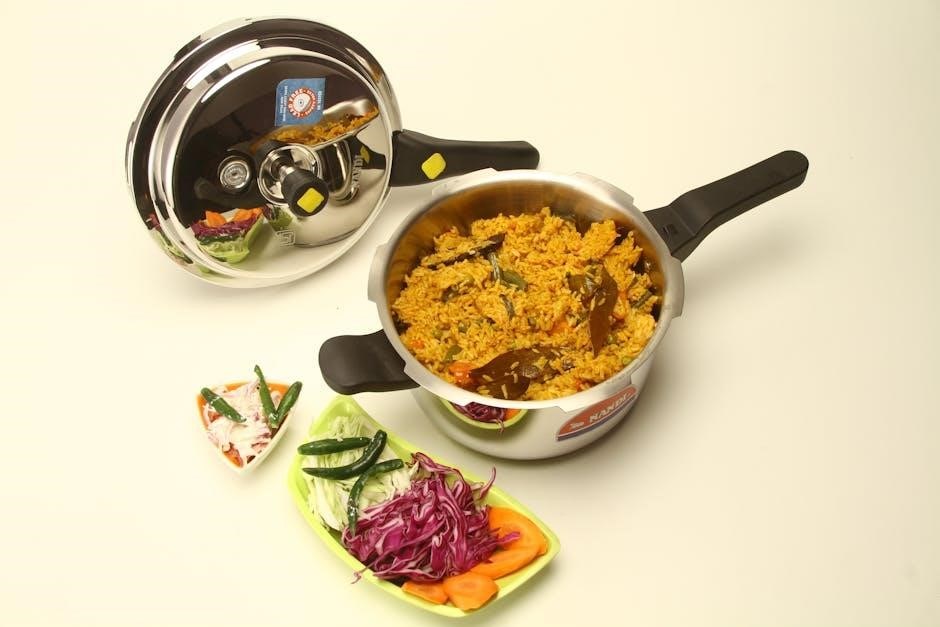
Utilize the steamer basket for healthy‚ flavorful meals – perfect for steaming vegetables‚ fish‚ or dumplings. The trivet elevates food above liquids‚ preventing sticking and ensuring even cooking. Both accessories maximize your Elite Pressure Cooker’s capabilities‚ offering versatile cooking options!
Additional Accessories Available
Expand your culinary horizons with optional Elite Pressure Cooker accessories! Consider sealing rings‚ glass lids‚ and specialized inserts for cakes or yogurt. These additions enhance functionality and unlock new recipes‚ providing greater versatility and convenience for your cooking adventures.
Warranty Information & Support
Elite Pressure Cooker products are backed by a comprehensive warranty against manufacturing defects. For detailed warranty terms‚ please refer to the included documentation or visit our official website. Dedicated customer support is available via phone and email to assist with any questions or concerns you may have.
Elite Pressure Cooker Warranty Details
Elite offers a one-year limited warranty covering defects in materials and workmanship from the date of purchase. This warranty excludes damage from misuse‚ accidents‚ or unauthorized repairs. Proof of purchase is required for all warranty claims. Visit our website for complete details and claim submission.
Contacting Customer Support
For assistance with your Elite Pressure Cooker‚ please visit our website’s support section for FAQs and troubleshooting. You can also reach our dedicated customer support team via email or phone during business hours. Contact information is readily available on the official Elite website.
No Responses